
 We’ve all seen them: the "purse pups," the "arm ornaments," and the teacup breeds that seem to never touch the ground. It’s hard to resist—when a creature is that small and fluffy, our natural instinct is to scoop them up and protect them from the big, scary world.
But here is the truth that every small dog owner needs to hear: Your dog has four legs for a reason.
While it feels like an act of love, carrying your small dog everywhere can actually lead to significant physical and psychological setbacks. Let’s dive into why it’s time to put the pup down and let them be a dog.
1. The Socialization Gap
Confidence isn't born; it's built. When a dog is constantly held, they miss out on the "ground-level" interactions that teach them how to navigate the world.
-
Reading the Room: Dogs communicate through body language. If your pup is in your arms, they can't practice the sniffing and circling rituals that prevent fights later in life.
-
Building Resilience: A little "tough love" from a grumpy cat or a stern growl from an older dog teaches your puppy boundaries. Without these lessons, they never learn to read social cues.
2. Guarding and "Small Dog Syndrome"
Have you ever noticed a tiny dog lunging from the safety of its owner's arms? This is often a result of resource guarding. In this case, you are the resource. When a dog is always carried, they begin to view your personal space as their exclusive territory. This creates a "safe zone" that they feel the need to defend aggressively. What starts as a cute protective growl can quickly escalate into biting friends, family, or other pets.
Gear Up for Ground Time: EcoBark Harnesses
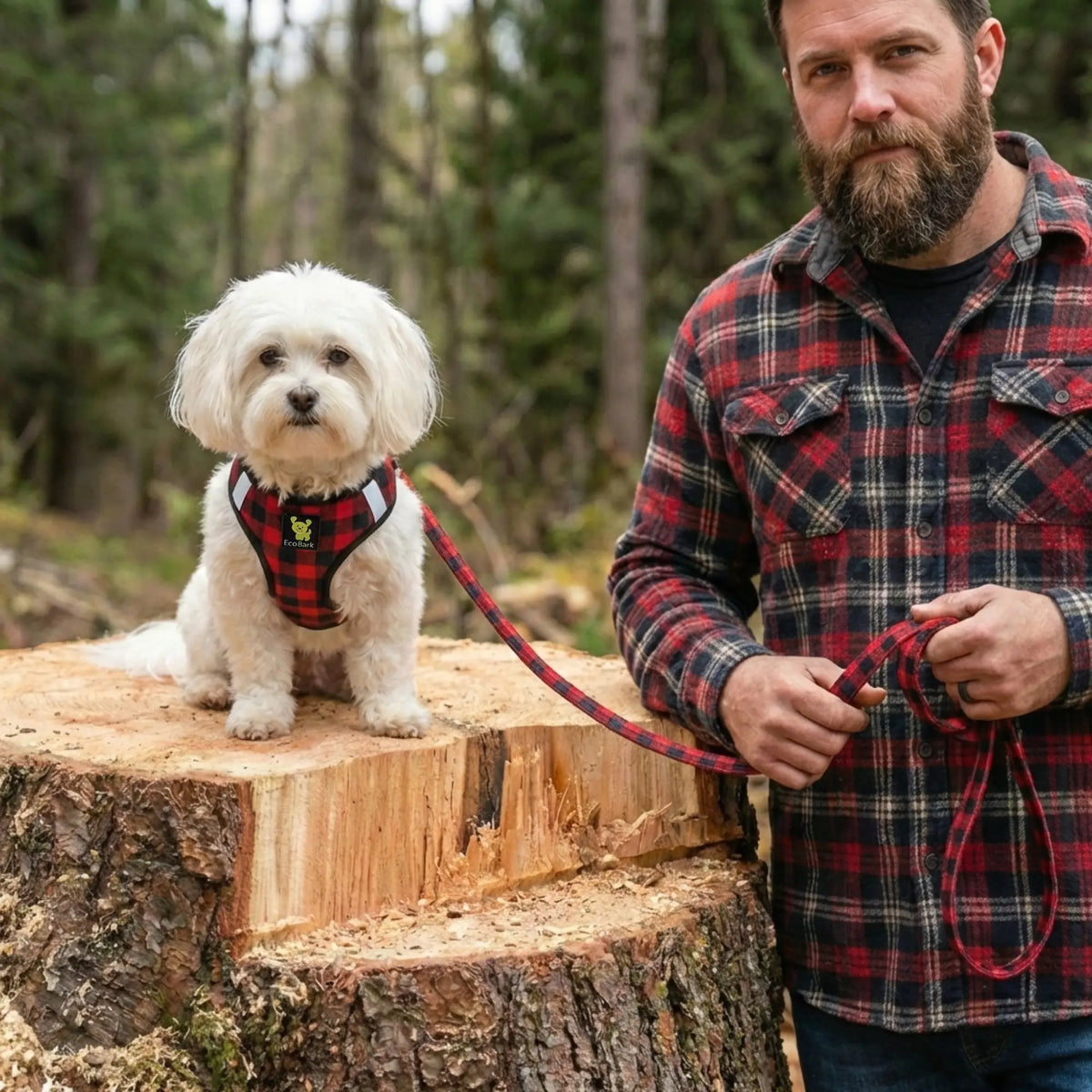
Ready to let your little one explore but worried about their delicate neck? EcoBark specializes in eco-friendly, "no-choke" harnesses designed specifically for the tiniest frames. Their lightweight, breathable mesh ensures your pup stays comfortable while building their confidence on the sidewalk. It’s the perfect way to transition from "carried" to "courageous" without sacrificing safety.
3. Physical Health and Immunity
It sounds strange, but your dog needs to get a little "dirty" to stay healthy.
-
Immune Support: By walking on grass and sniffing through leaves, dogs build up a natural tolerance to local pollen, fungi, and molds.
-
Bone and Joint Strength: Small breeds, especially Dachshunds, are prone to Intervertebral Disc Disease (IVDD). Proper exercise helps strengthen the muscles that support the spine and joints.
4. The Obesity Epidemic
It doesn't take much for a 5-pound dog to become overweight. A lack of daily steps leads to more than just a "pudgy" look; it puts immense strain on their tiny hearts and lungs. Regular walking helps prevent diabetes, hypertension, and heart disease.
Safety First: When Should You Pick Them Up?
We aren't saying you should never carry your dog. Snuggling is vital for bonding! Just use your best judgment in these specific scenarios:
-
High-Traffic Areas: If you’re in a dense crowd where your dog might be stepped on.
-
Large Dog Danger: At a dog park with rowdy, large breeds, it’s safer to keep your "mini" out of the fray.
-
Hazardous Environments: Avoid holding your dog while cooking (burn risks) or driving (airbag danger).
The Bottom Line
Love your small dog by giving them the freedom to explore. They may be tiny, but they have the spirit of a wolf—let them sniff the roses, meet new friends, and build the muscle they need for a long, healthy life.
Want to pick out the perfect fit for your pint-sized adventurer? Would you like me to create a size guide to help you choose the right EcoBark harness for your specific breed?
